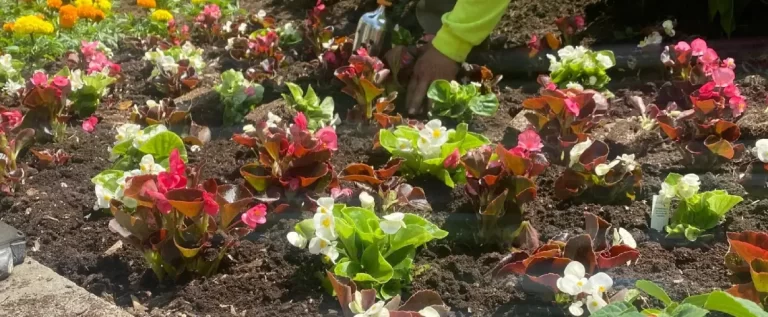
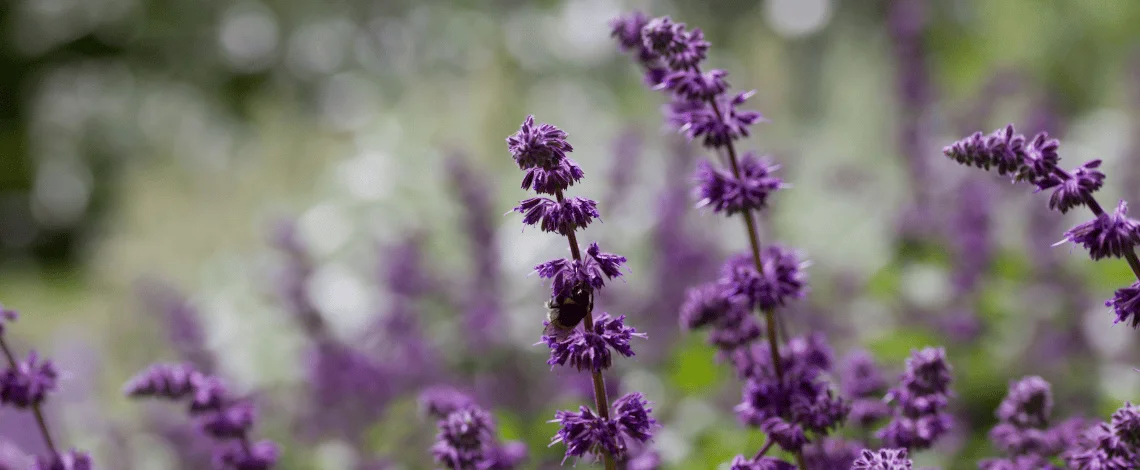
Native plant landscaping in NY can give Westchester properties a polished, colorful look while creating valuable habitat for bees, butterflies, birds, and other wildlife. The key is thoughtful design: plants are arranged with structure, seasonal interest, and clear transitions so the property feels intentional rather than overgrown.
For homeowners interested in sustainable landscape design ideas, native and pollinator-friendly plantings can also complement the character of an established property. New York environmental guidance encourages the use of native plants because they support local wildlife and can contribute to healthier, more diverse landscapes.
Native Landscaping Does Not Have to Look Wild
One of the biggest misconceptions about native landscaping is that it has to look loose, messy, or completely naturalized. A professionally designed landscape can use native species while maintaining defined shapes, clean edges, balanced plant groupings, and an organized appearance.
The difference comes down to planning. Instead of placing plants wherever space is available, the layout considers mature size, height, color, texture, bloom timing, and how each planting relates to the home and surrounding property.
Build Structure Into the Planting Design
A polished native landscape starts with a strong visual framework. Taller plants, shrubs, lower-growing perennials, ornamental grasses, and open areas can be arranged in layers that keep the planting visually balanced throughout the property.
Some of the design choices that help create a more refined appearance include:
- Repeating certain plants throughout the landscape
- Grouping plants in intentional clusters
- Using taller species toward the back of planting areas
- Creating clean borders along lawns and walkways
- Balancing flowering plants with grasses and shrubs
- Leaving enough space for each plant to mature properly
Plan for Color Across More Than One Season
Pollinator-focused landscape design works best when flowering periods are considered from the beginning. Selecting plants that bloom at different points during spring, summer, and fall keeps the property changing throughout the year while providing a longer season of resources for pollinators.
Seasonal planning also prevents the landscape from looking impressive for only a few weeks. Flowering periods, foliage color, plant form, and winter structure can all be layered together so different areas take the spotlight as the seasons change.
Choose Plants for the Conditions on Your Property
Native does not automatically mean that every plant will thrive in every part of Westchester. Sun exposure, soil moisture, drainage, slopes, surrounding trees, and the amount of available space all influence which species make sense for a particular location.
Cornell Cooperative Extension of Westchester County specifically provides local resources for selecting native plants as well as plants suited to shade, slopes, and other site conditions. A site-specific approach can help match plant material to the conditions already present rather than constantly working against them.
Create a Landscape That Supports Pollinators
Pollinator-friendly planting goes beyond adding a few flowering plants. A more complete design provides different bloom shapes, heights, and flowering periods that can support a wider variety of bees, butterflies, and other beneficial insects.
New York State also identifies habitat enhancement as an important part of pollinator conservation. For residential properties, that can translate into practical design decisions such as:
- Using a variety of native flowering species
- Including blooms across several seasons
- Adding native shrubs and grasses for more plant diversity
- Creating larger plant groupings instead of isolated flowers
- Reducing unnecessary areas of unused turf
- Selecting species appropriate for local growing conditions
Make Native Plantings Fit an Upscale Westchester Property
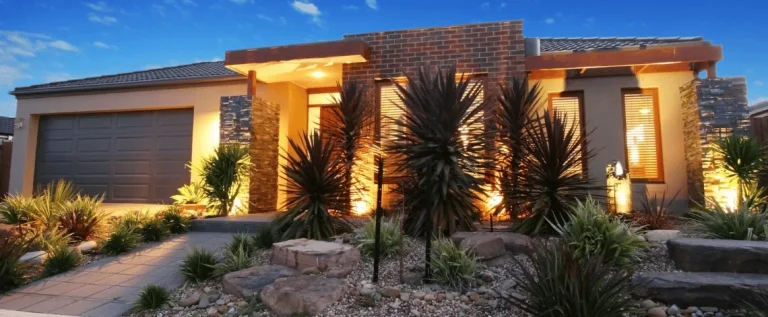
A sustainable landscape should still feel connected to the architecture and overall character of the home. On more formal properties, native plants can be arranged in defined masses with controlled heights and strong borders, while more relaxed properties may allow softer transitions and broader planting areas.
Hardscape edges, walkways, patios, lawn areas, and existing trees can also help organize the design visually. The goal is not to force every property into the same style, but to use native plant material in a way that feels appropriate for the home.
Turn Native Planting Ideas Into a Cohesive Landscape Design
At Joseph Bulfamante & Son, we design and install landscapes around the way each property looks, functions, and is used. Our landscape design and installation service can take a project from the initial concept and 3D planning through plant selection and final installation, helping homeowners coordinate the entire project through one team.
We also consider property layout, sun exposure, grading, soil conditions, and other site characteristics when creating a plan. That makes it possible for us to create a native or pollinator-focused landscape that feels carefully designed for the property instead of added as an afterthought.
Bring a More Natural, Pollinator-Friendly Landscape to Your Property
A well-planned native landscape can bring seasonal color, stronger ecological value, and a distinctive look to a Westchester property without sacrificing a clean, finished appearance. With the right combination of plants, structure, and thoughtful placement, the landscape can support pollinators while still complementing the style of your home. If you are ready to explore a professionally planned native planting design, contact us today to get started with our landscape design and installation services.