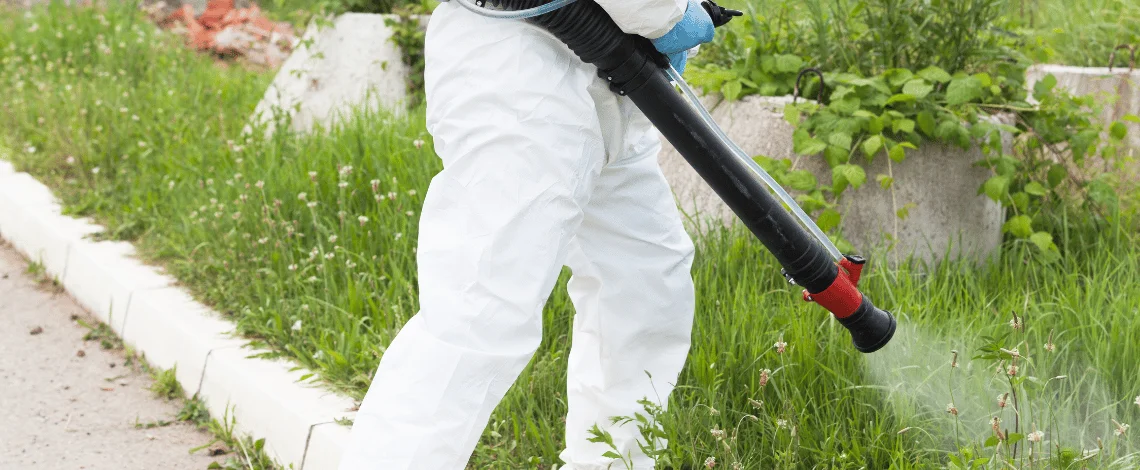
Mosquito control in Westchester, NY and tick control in Westchester both work best when you treat the yard as a whole, not just the bugs flying or crawling around it. The most effective plan includes removing standing water, cleaning up tick-friendly areas, using safe repellents, and knowing when professional treatments are needed. In Westchester County, where wooded edges, mature shrubs, deer movement, and humid summers are common, mosquitoes and ticks can become a real problem fast.
A Local Guide to Mosquito and Tick Control in Westchester County
Mosquitoes and ticks are not just random yard pests. They are often a sign that certain areas of the property are holding moisture, shade, overgrowth, or leaf litter. That is why the best control plan starts with the landscape conditions that allow them to stay active.
Why Westchester Yards Attract Mosquitoes and Ticks
Many Westchester properties have the exact conditions mosquitoes and ticks like. Shaded lawn edges, wooded borders, dense shrubs, damp soil, drainage trouble, and leaf buildup all create places where pests can rest, breed, and spread.
Ticks are especially common where lawns meet wooded areas, stone walls, deer paths, and thick plantings. Mosquitoes often come from standing water in gutters, toys, tarps, planters, low spots, and containers that hold even a small amount of water.
Common problem areas include:
- Leaf litter along fences and property lines
- Overgrown lawn edges near wooded areas
- Dense shrubs that stay damp after rain
- Clogged gutters and drainage trouble
- Birdbaths, buckets, toys, and plant saucers
- Tall grass near patios, play areas, and walkways
- Shady areas where airflow is poor
What Actually Works for Mosquito Control
The best mosquito control starts with removing breeding sites. Mosquitoes can develop in very small amounts of standing water, so weekly cleanup can make a noticeable difference during spring and summer. For stronger results, homeowners should combine cleanup with targeted prevention. This helps reduce mosquito activity before it turns into a full outdoor problem.
Helpful mosquito control steps include:
- Empty standing water every week
- Clean gutters so water does not sit after storms
- Refresh birdbaths often
- Store toys, buckets, and containers upside down
- Improve drainage in low areas
- Trim shrubs to improve sunlight and airflow
- Use EPA-registered repellents when spending time outside
- Schedule professional barrier treatments when activity stays high
What Actually Works for Tick Control
Tick control is closely tied to lawn and landscape care. Deer ticks and other tick species are often found in grassy, wooded, and brushy areas, especially where deer, mice, and other small animals move through the property. A clean, well-maintained yard gives ticks fewer places to hide. This matters in Westchester because local outdoor spaces often sit close to wooded land, parks, and natural corridors.
Helpful tick control steps include:
- Keep grass trimmed
- Rake leaves from lawn edges and shaded areas
- Clear brush near patios and play areas
- Create a clean edge between lawn and woods
- Trim back dense shrubs
- Move woodpiles away from high-use areas
- Check pets after they spend time outdoors
- Use tick protection when walking through tall grass or wooded areas
What Does Not Work as Well as People Think
Some common mosquito and tick control tricks sound helpful but do not give reliable yard-wide results. They may reduce a few pests in a small area, but they usually do not solve the real source of the problem. Bug zappers are a good example. They kill many insects, but they are not a dependable mosquito control solution and may affect beneficial insects more than mosquitoes.
Other weak or limited options include:
- Citronella candles in open, windy areas
- Garlic sprays with short-lasting results
- Essential oil sprays without frequent reapplication
- One-time DIY sprays during heavy pest activity
- Ignoring leaf litter and overgrown edges
- Treating only the patio while pests live around the yard
Why Timing Matters in Westchester County
Mosquito and tick control should start before the season reaches its worst point. In Westchester, tick activity can begin early in spring, especially when temperatures rise and moisture stays in wooded or grassy areas.
Nymph deer ticks are very small and can be active from late spring through summer. Adult ticks can also be active in spring and again later in the year, which makes seasonal prevention important instead of waiting for the first bite.
Mosquito pressure often builds after spring rain and continues through warm summer weather. If the property has drainage issues, shaded areas, or containers that collect water, mosquitoes can return quickly after each storm.
What Westchester Health Advisories Mean for Homeowners
Westchester County health resources warn residents about tick-borne diseases, including Lyme disease. The blacklegged tick, also called the deer tick, is the main tick linked with Lyme disease in the region.
This does not mean every tick bite leads to illness, but it does mean homeowners should take prevention seriously. Yard care, personal checks, pet protection, and professional treatments can all play a role in reducing exposure.
A smart prevention routine includes:
- Checking yourself and pets after outdoor activity
- Wearing repellent when spending time in wooded or grassy areas
- Keeping outdoor play spaces clear and trimmed
- Reducing brush and leaf litter near the home
- Scheduling flea and tick control near me when pests become active
- Pairing pest control with proper lawn and plant healthcare
Neighborhood-by-Neighborhood Pest Concerns in Westchester
Every Westchester community has different property layouts, tree cover, moisture levels, and outdoor living habits. That is why mosquito and tick control should not feel like a one-size-fits-all service. A local plan should match the way each yard is built and used.
Bronxville
Mosquito control in Bronxville is often needed around shaded lots, patios, and mature plantings that hold moisture after rain. Smaller properties can still have big pest pressure when gutters, containers, and thick shrubs create resting areas near the home. Tick control is also important where yards border wooded streets, parks, and natural edges.
Scarsdale
Mosquito control in Scarsdale often involves larger lawns, mature trees, and outdoor living spaces that stay active through spring and summer. Ticks can move through shaded lawn borders, deer paths, and thick landscape beds. A strong plan should combine cleanup, trimming, and professional treatments when pest pressure stays high.
Rye
Mosquito control in Rye, NY can be especially important near damp areas, coastal air, shaded yards, and properties with drainage concerns. Mosquitoes often build up after rain when water sits in hidden spots around the property. Tick control also matters where lawns meet wooded edges, stone walls, and areas where deer pass through.
Larchmont
Mosquito control in Larchmont is often tied to moisture, shade, and outdoor areas used for relaxing or entertaining. Even small water sources can turn into mosquito breeding spots during warm weather. Ticks may also show up along lawn edges, shrubs, and areas with heavy leaf buildup.
New Rochelle
Mosquito control in New Rochelle often requires a practical mix of water removal, lawn care, and targeted treatments. Properties can vary from compact yards to larger spaces with wooded edges and heavy plantings. Tick control should focus on areas where pets, kids, and guests spend the most time outdoors.
Yonkers
Yonkers properties can face mosquito and tick pressure from shaded yards, steep slopes, wooded pockets, and dense plantings. Mosquitoes may collect around standing water and drainage trouble, while ticks often stay near brush, leaves, and overgrown borders. A consistent plan can make outdoor areas more comfortable through the season.
Your Local Source for Mosquito and Flea and Tick Control
Joseph Bulfamante & Son is the go-to local source for mosquito control and flea and tick control because we treat the whole property, not just the visible pest problem. We look at the lawn, shrubs, wooded edges, drainage patterns, and plant health to find what may be creating pest pressure. This helps us build a more complete plan for reducing mosquitoes, fleas, and ticks around your outdoor spaces.
Our mosquito control service helps reduce mosquito activity so your yard feels more comfortable during the warm season. Our flea and tick control service helps protect lawns, pets, and family areas from pests that hide in grass, leaves, and shaded spaces. We can also connect pest control with plant healthcare when the property needs a broader plan for healthier, cleaner, and better-protected outdoor areas.
How Professional Treatments Support a Healthier Yard
Professional mosquito and tick control works best when it is part of a full property care plan. Spraying can help reduce pest activity, but the yard also needs clean lawn edges, trimmed shrubs, less leaf litter, and better moisture control.
A stronger plan may include mosquito control treatments, flea and tick control, shrub trimming, leaf litter cleanup, drainage awareness, plant healthcare, and seasonal treatment planning. This helps reduce the outdoor conditions that allow mosquitoes, ticks, fleas, and other lawn pests to keep coming back.
Take Back Your Yard With Mosquito and Tick Control That Makes Sense
Mosquito and tick control in Westchester County works best when the plan combines smart prevention, clean outdoor spaces, and professional treatments when pest pressure gets too high. If mosquitoes, ticks, fleas, or other lawn pests are making your yard harder to enjoy, we can help you create a safer and more comfortable outdoor space. Contact us today to schedule mosquito control, flea and tick control, or plant healthcare services for your Westchester property.