Deer-resistant landscaping in Westchester starts with designing the entire property around deer pressure, not simply choosing a few plants they tend to avoid. The strongest designs combine resistant plant selections, smart placement, layered planting, and subtle physical barriers so the yard stays attractive without becoming an easy feeding area. No plant is completely deer-proof, especially when food is scarce, which makes the overall design just as important as the individual species selected.
Why Deer-Resistant Landscaping Takes More Than a Plant List
A common mistake is assuming that replacing frequently damaged plants with deer-resistant varieties will solve the entire problem. Deer browsing patterns are influenced by food availability, property layout, access points, and the placement of plants throughout the yard.
A thoughtful deer resistant landscape design in NY considers all those factors together. The goal is to make the property less appealing to deer while still creating a layered, attractive landscape that feels intentional rather than designed around wildlife control.
1. Build Planting Layers Deer Are Less Likely to Browse
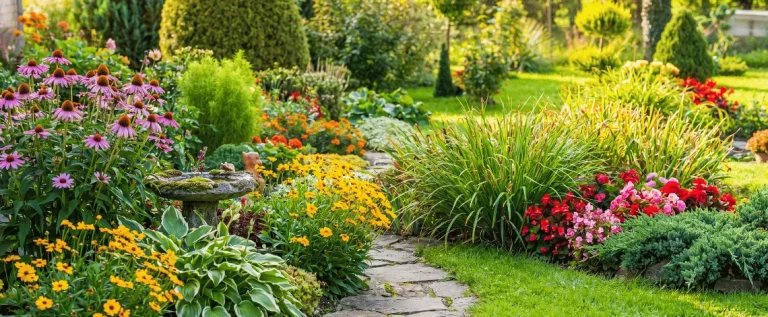
Good deer resistant landscaping in Westchester uses different heights, textures, and plant types to create visual depth without relying heavily on plants deer commonly target. Cornell Cooperative Extension identifies several plants that are less frequently severely damaged by deer, although browsing can still occur when deer pressure is high.
A designer may build the planting plan around:
- Trees and larger shrubs that create the main structure
- Deer-resistant shrubs for middle layers and foundation areas
- Textured or strongly scented perennials along exposed edges
- Ground-level plantings that add fullness between larger plants
- Seasonal combinations that maintain interest throughout the year
This layered approach keeps the landscape visually interesting even when a particular plant experiences occasional browsing.
2. Use Layout to Make Browsing More Difficult
One of the most useful deer proof yard ideas is to think about how deer actually move across the property. Open access, plants placed directly along common travel paths, and large concentrations of desirable plants can make an area especially attractive.
A landscape designer can instead position vulnerable areas closer to the home, patios, or other active spaces while using more resistant plantings around outer property edges. Dense planting groups can also reduce easy access to individual plants and prevent one damaged area from making an entire planting bed look bare.
3. Make Fencing and Hardscape Part of the Design
Physical barriers can provide another layer of protection, but they do not need to feel like an afterthought. Cornell notes that fencing can be an effective way to reduce deer access, particularly when designed appropriately for the size of the protected area.
For homeowners dealing with a persistent landscape design deer problem, barriers can become attractive elements of the overall plan:
- Decorative fencing incorporated into property boundaries
- Gates positioned at common deer access points
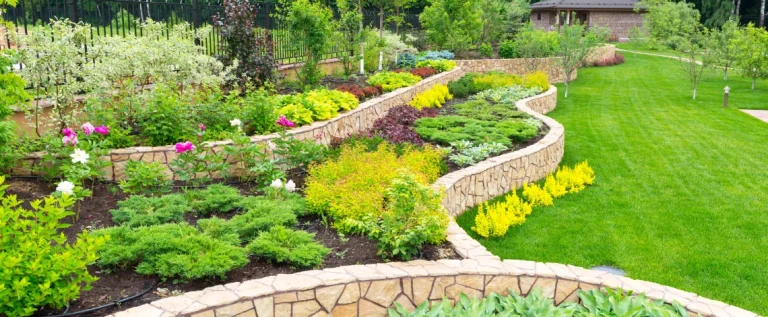
- Retaining walls that help create elevation changes
- Patios and walkways that separate planting zones
- Built structures that break up direct routes through the property
The idea is not necessarily to turn the entire property into a fortress. Strategic barriers can help guide movement while still supporting the look and function of the landscape.
4. Plan for Deer Pressure Instead of Expecting a Deer-Proof Yard
Even plants that deer usually avoid can be browsed when natural food becomes limited. That is why a realistic deer-resistant design focuses on reducing damage rather than promising that deer will never touch another plant.
A well-planned landscape spreads visual interest throughout the property and avoids depending too heavily on a handful of vulnerable species. If occasional browsing occurs, the overall landscape can still look full, balanced, and established instead of losing an entire section at once.
Work With Joseph Bulfamante & Son on a Smarter Landscape Plan
At Joseph Bulfamante & Son, we provide professional landscape design and installation throughout Westchester County. Our design-build approach allows us to take a property from the initial concept and 3D planning through plant selection and final installation, while considering factors such as grading, sun exposure, soil conditions, and the property’s overall layout.
When deer pressure is part of the challenge, we can incorporate plant selection and placement into a larger landscape plan instead of treating damaged plantings as an isolated problem. Our landscape design and installation services can also coordinate planting areas with features such as paver walkways, patios, retaining walls, irrigation, drainage, and landscape lighting when those elements are part of the project.
Create a Beautiful Landscape Without Feeding the Local Deer
Living with deer does not mean giving up on a colorful, layered, and attractive landscape. Smart plant choices, strategic placement, and thoughtfully incorporated barriers can significantly reduce browsing while giving your property a more complete design.
If repeated deer damage has left you replacing the same plants year after year, we can help develop a landscape that is better suited to the conditions around your Westchester property. Contact us today to discuss professional landscape design and installation for your home.